
 0141 413 5662
Drain Air Testing Services
At Blocked Drain Glasgow, we provide specialist drain air testing services for domestic and commercial properties in Glasgow and the surrounding areas across the central belt of Scotland including Edinburgh, Stirling, Perthshire.
If you require drain air testing further afield in Scotland, then please make contact to discuss.
Our experienced drainage engineers are SNIPEF approved certifiers, and we use a range of proven testing methods to assess pipework, locate faults, and recommend the most effective solution if any drain repairs are required. Whether you need drain air testing carried out for a new build development or have been requested by building control to have a SNIPEF registered company carry out an air test and for them to supply a completion certificate
As an Approved Certifier within the context of the Scottish building standards system, we have the authority to self-certify that specific construction work complies with building regulations. Think of us as a trusted, fast-track alternative to waiting for a local council inspector to come out and sign off on your project.
Drainage Air Testing
- Non-destructive drain air testing: A drainage air test must be carried out for below and above ground pipework with all facilities connected this allows us to provide an understanding that the drain will not leak effluent, this is an air test to ensure the pipework has been installed and is of soundness.
What is a Non-Destructive Drain Air Testing?
A non-destructive drain air testing is a method used to check the integrity and "soundness" of both above-ground and below-ground drainage pipework without damaging the pipes or the surrounding property.
Essentially, it ensures that your drainage system is completely airtight. If it is airtight, it is watertight, meaning it won't leak effluent (sewage/waste) or release foul odours into the building.
How the Test is Carried Out
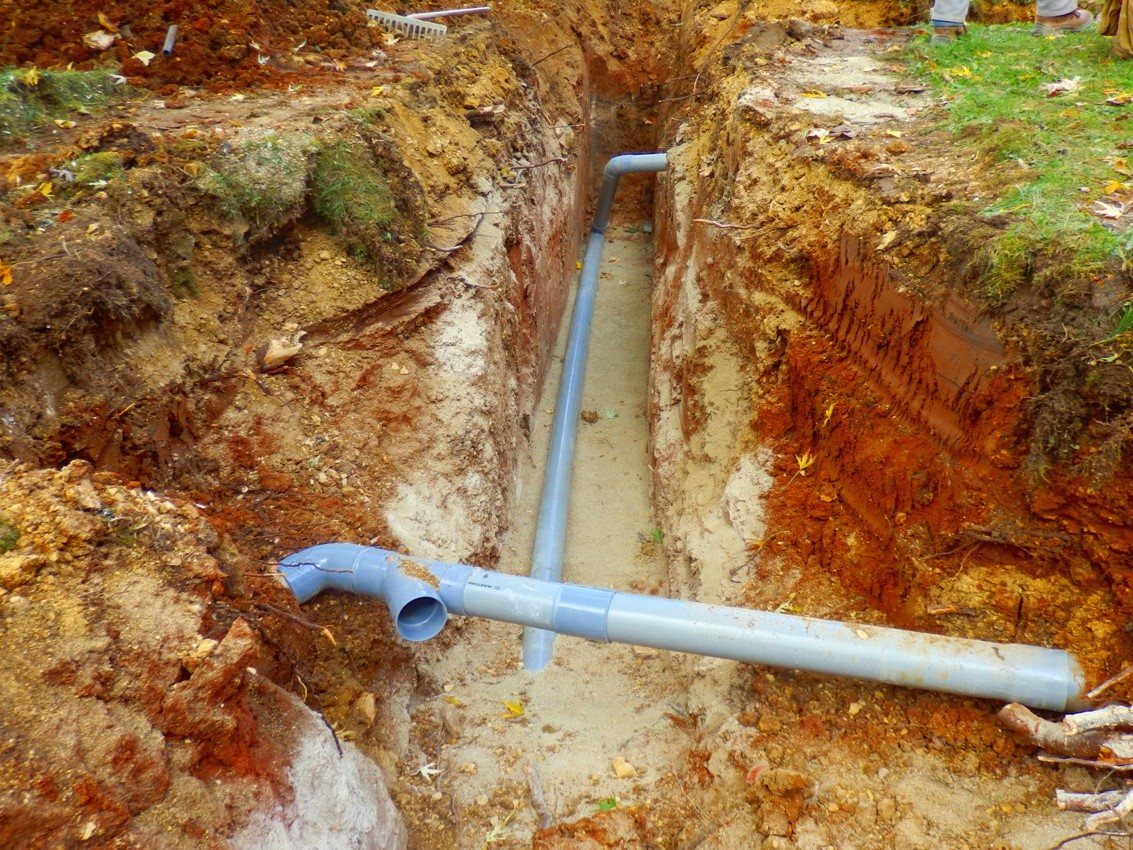
The test is performed after all the plumbing facilities (toilets, sinks, showers) are connected but usually before the pipes are completely covered up or buried.
- Sealing the System: All openings of the drainage section being tested are temporarily sealed using inflatable rubber test plugs or mechanical stoppers.
- Pressurizing: A small amount of air is pumped into the sealed pipework using a hand pump or a specialized testing machine.
- Monitoring: The system is connected to a pressure gauge (often a U-tube manometer). The air is pumped until it reaches a specific required pressure.
- The Verdict: The pressure must hold steady for a set period (usually around 5 minutes). If the pressure drops, it indicates a leak in a joint or a defect in the pipework that needs to be fixed before the system is signed off.
Why is it Crucial?
- Environmental & Health Protection: It guarantees that hazardous waste liquid (effluent) won't seep into the ground, foundations, or walls.
- Non-Destructive: Because it uses air rather than high-pressure water or physical digging, it detects faults safely without risking damage to the newly installed pipes.
- Building Standards Compliance: Passing an air test is typically a mandatory requirement for building regulations sign-off before a drainage system can be commissioned for use.


-
Call
us -
We
quote -
We do
the
work

WE’RE HERE TO HELP,
WITH ALL YOUR
DRAINAGE PROBLEMS
CALL US NOW ON
0141 413 5662Job well done - the clean up was well and truly impressive!
READ ALL TESTIMONIALS